The Question of AI in Interior Design
Hello friends,
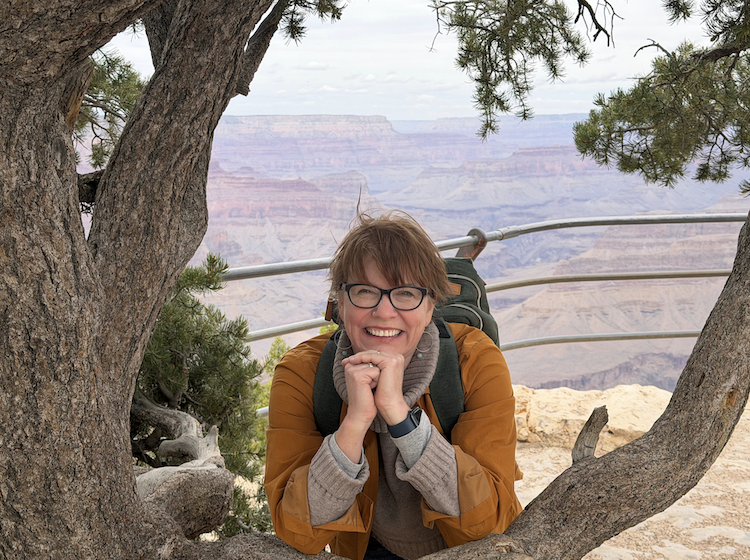
I am back from the Grand Canyon! It was an incredible experience; the beauty and majesty of that landscape are truly hard to comprehend. I also loved the vibe in Sedona and highly recommend spending some time there.
Now that I am back in the swing of work, I have been collaborating with our developer on website updates to improve the text and flow. I am currently focusing on the Philosophy page. As you may know, our core philosophy, “real design. real life,” is central to everything we do. But what does it mean? And in the age of artificial intelligence, does it mean anything else?
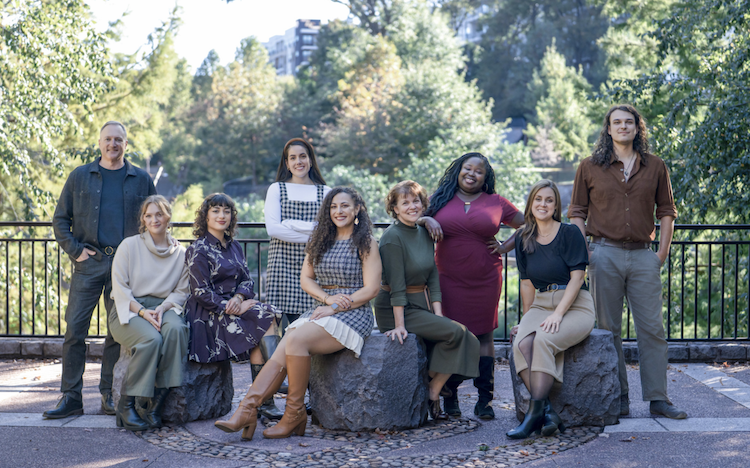
I came up with this motto back in 2002. It spoke to my desire to work with regular people—not celebrities or the uber-rich—just people who are hoping to make their homes more beautiful and functional. I did not want them to feel obligated to spend hundreds of thousands of dollars, but I did want them to feel proud of their homes and truly enjoy life there. I wanted to help make homes beautiful, comfortable, and durable, and ensure the space continues to look great despite kids’ clutter and pets. I envisioned a relationship that would last years, as we worked through rooms, a little at a time, and perhaps even moved to the next home in their life. This vision is now a reality I never imagined possible.
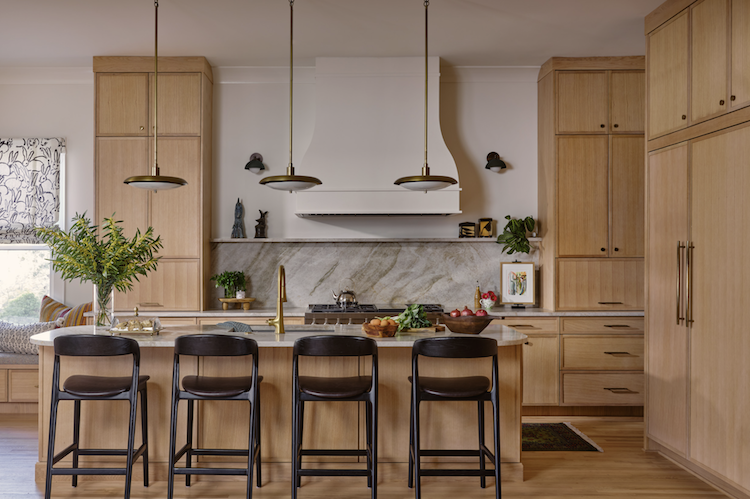
In 2002, the magazine REAL SIMPLE was in its heyday. This magazine spoke to my soul, with vibrant, clean photography that reflected a desire to simplify and manage life more beautifully, one small step at a time. I know that this magazine influenced our motto. I loved the rich format, the paper’s texture, and the straightforward advice, and I got a lot of great ideas from it back then.
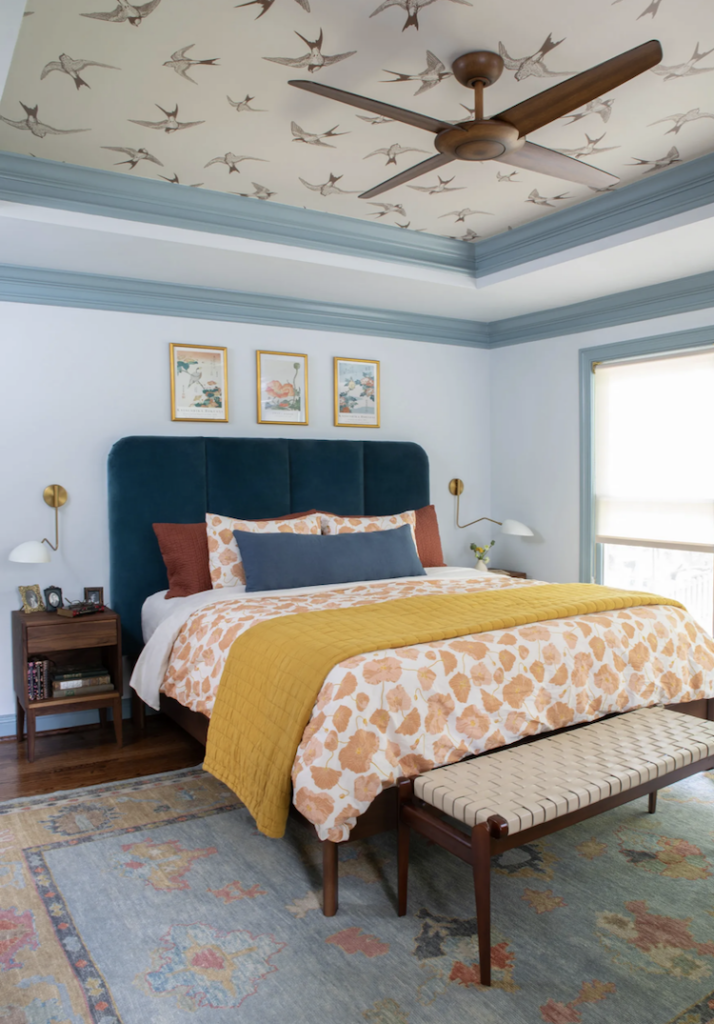
So here we are in 2026. Magazines are not what they used to be- online formats try to grab our attention with clickbait titles. You can scroll through these formats endlessly. Since 2002, we have also seen the 2008 housing crisis and, more recently, the 2020 pandemic. How does this relate to BD and our philosophy? I believe the biggest thing is that we still seek beauty, safety, and comfort in our homes. Now, in 2026, Artificial Intelligence is on the precipice of being present in almost every aspect of our lives, whether we want it or not. We are considering what that means for our brains, our relationships, the environment, and “reality”.
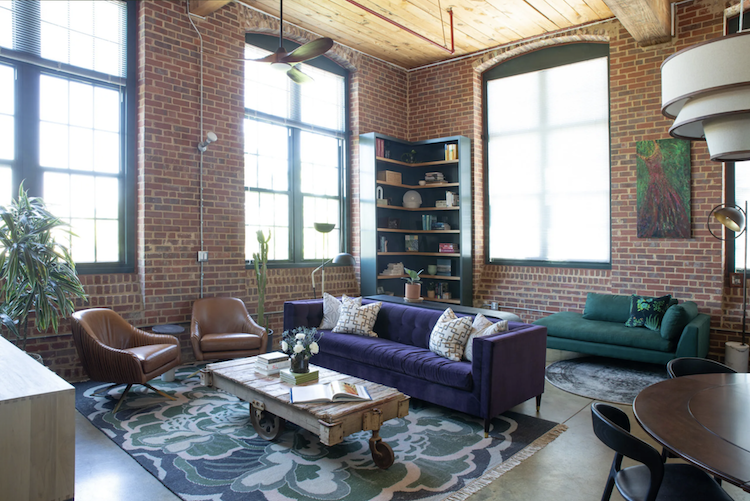
We have just started using AI by combining our Google SketchUp renderings with photos taken on our phones. This allows a very realistic visualization tool to understand how a new built-in will look in your mudroom, for example. It is pretty incredible and allows a new level of understanding of the vision.
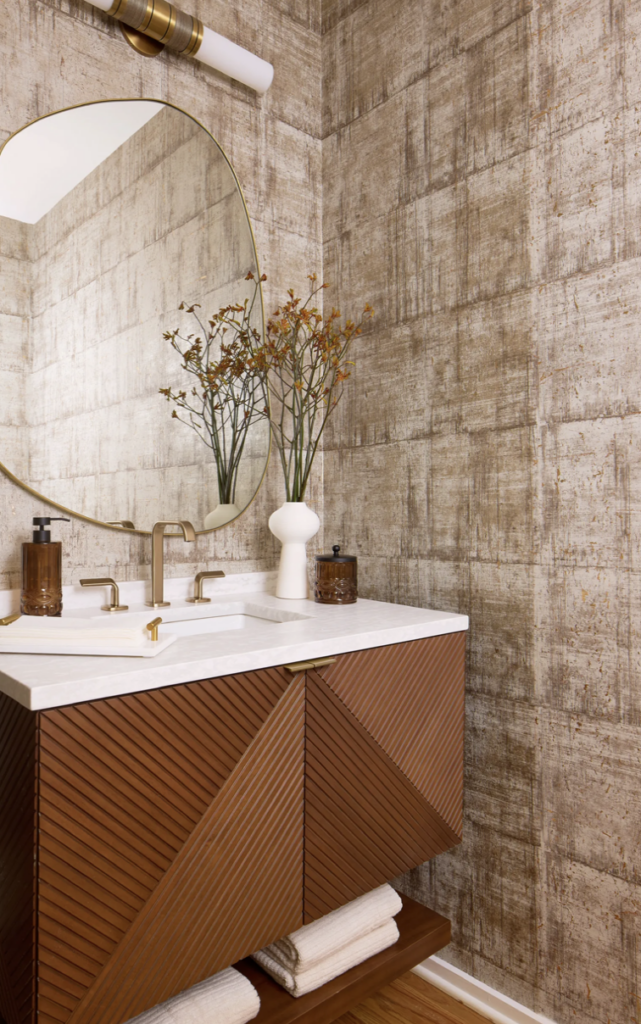
However, we are grappling with another side to this. AI uses an incredible amount of resources-electricity, water, and space, to name just a few. These giant data centers are often located in less desirable neighborhoods, emitting sounds that are barely perceptible yet can have a lasting effect on residents’ health. As a company with sustainability as a core value, we don’t yet know the full effects of using AI. AI also seems like the opposite of “real design. real life.”
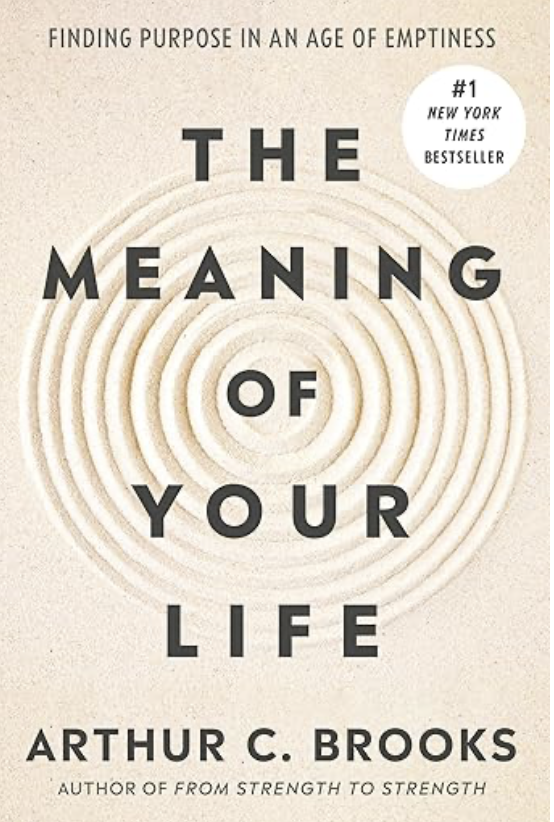
It is not just the environmental effects. This AI reality affects many parts of our lives, including our mental and spiritual health. Our lives—dating, friendships formed through social media, even simply standing in line at the grocery store- have changed. We are never bored, endlessly scrolling for the next dopamine hit that can fascinate us for a brief second. There is even a 2026 trend called “Dopamine Decor” that features bright colors and patterns designed to make you happy when you look at them. Happiness is good, right? That is one of the questions in my current book, by Arthur Brooks, The Meaning of Your Life: Finding Purpose in an Age of Emptiness. I love Arthur Brooks, a professor at Harvard University, whose books resonate deeply with me. This book develops techniques to find deeper meaning by building meaningful relationships, recognizing the importance of work, and cultivating a greater sense of purpose through service. A key tool is to separate from the information firehose and simply allow time to be.
So the question remains: should we use AI as a tool to better visualize an outcome? What parameters do we set when using it as a company? Is there an environmental offset plan that can justify our use? Is it a necessary evil to stay relevant? Are we leaning into our personal human-to-human service that AI cannot provide (yes!). Our team is studying these questions and discussing our policy, which we will finalize over time. We do not have the answers, but we do have the questions, and I believe that is a start.
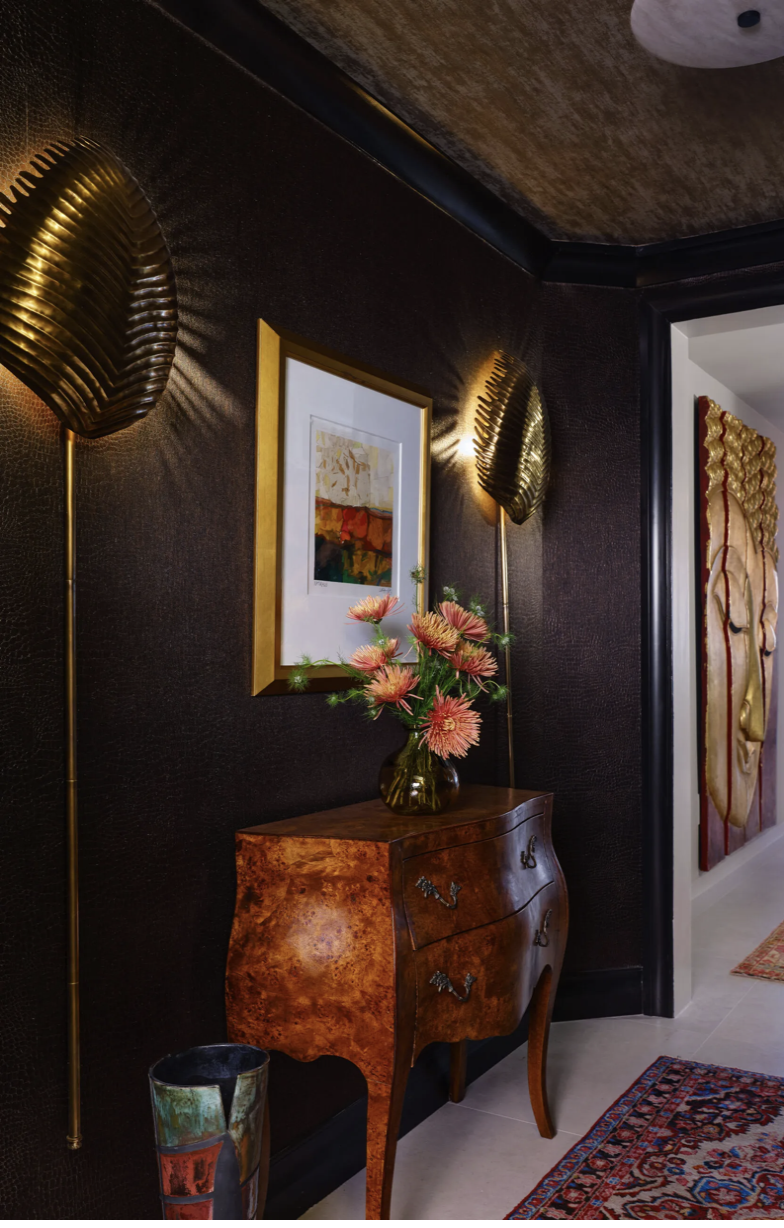
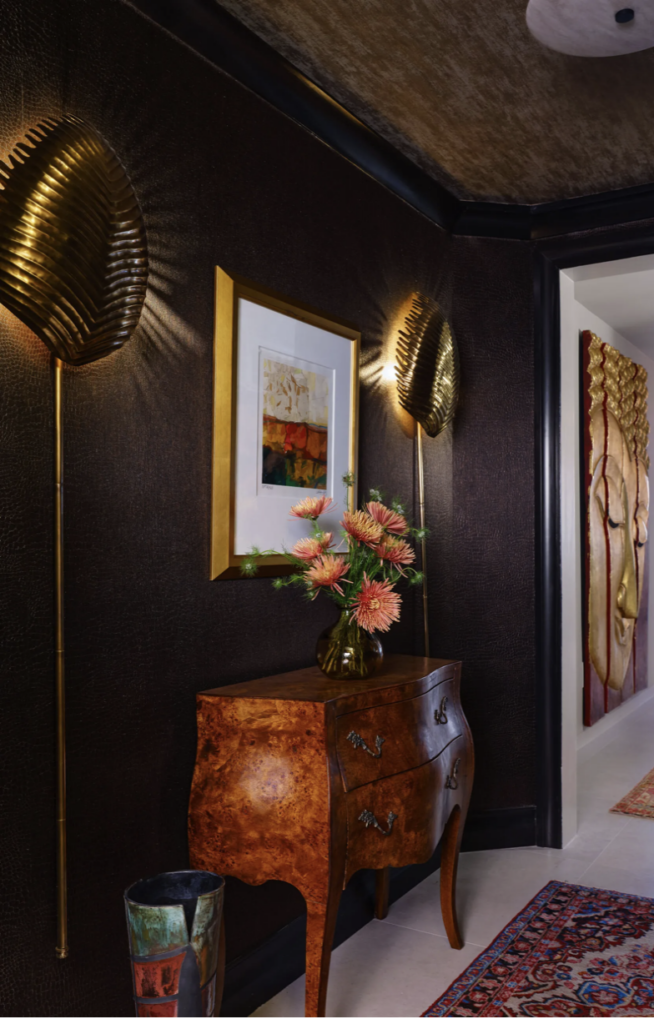
I encourage you to weigh in on these important questions: stephanie@balancedesignatlanta.com. I want to know what you think. This genuine human happily receives your genuine human thoughts. PS: all the pics in this post are Balance Design projects and quite genuine, not AI-generated!
Thank you for reading,
Stephanie