7 Tricks for a Curated Home.
Hello friend!
We recently finished a large photoshoot of a basement remodel which included a bar/lounge area, a TV den, a bathroom, and a wine cellar. So much added space! During these photoshoots, we aim to highlight the focal points and present the spaces at their very best. This means showing not only the furnishings but also how the homeowners live in the space. So we style it with accessories that make it liveable, cozy, and full of personality. Often, we find and rearrange these items in the client’s home, and we supplement what is there to make the space sing. After a client sees their styled home, they usually want to buy some of the accessories because they like the added warmth and the cohesive feel they bring to the space.
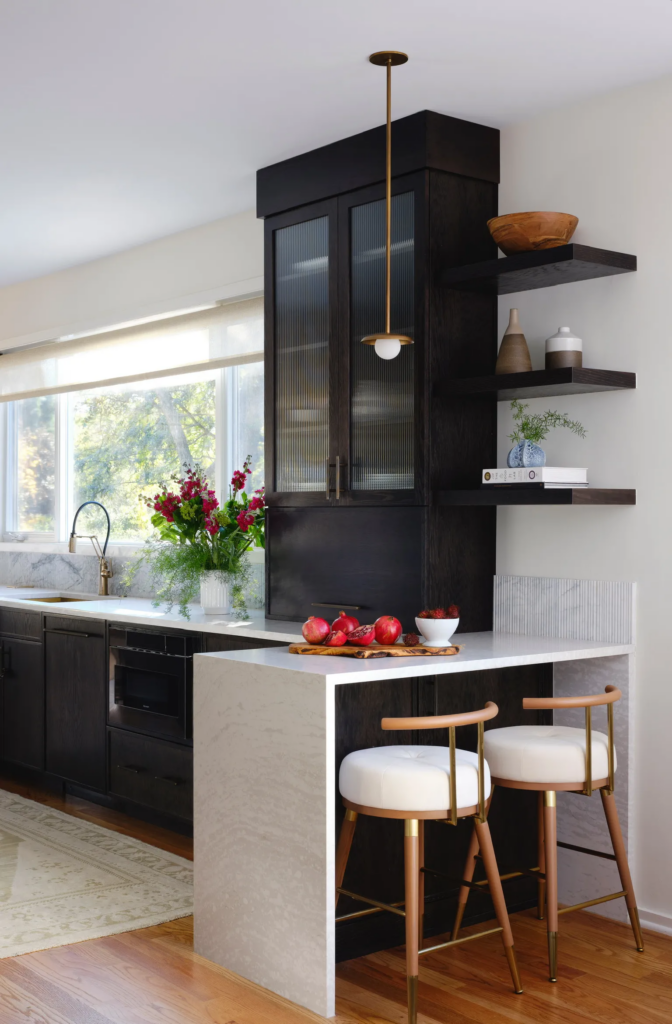
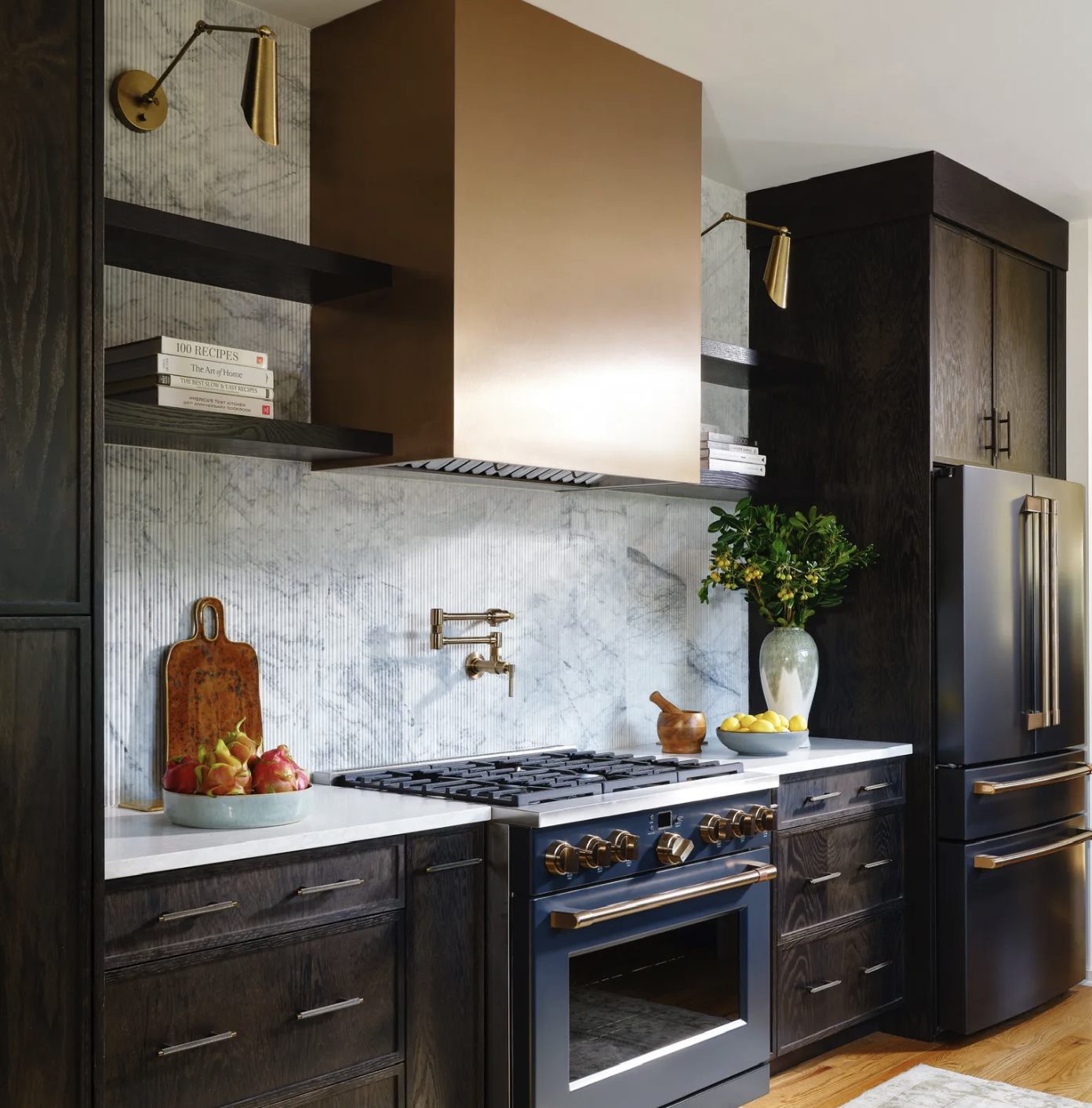
This kitchen has fruit, simple pottery, bowls, and repeated red accessories to make the dark cabinetry pop. Photography by Mali Azima.
I thought you might like to know a few tricks we use when accessorizing a home. They are easy and straightforward, and they give your home a complete and considered look. However, some of these items are deeply personal, and incorporating those items is one of the secrets to success. If an item is meaningful and doesn’t feel like extra clutter, it belongs there. How do we do that? Here are a couple of ways:
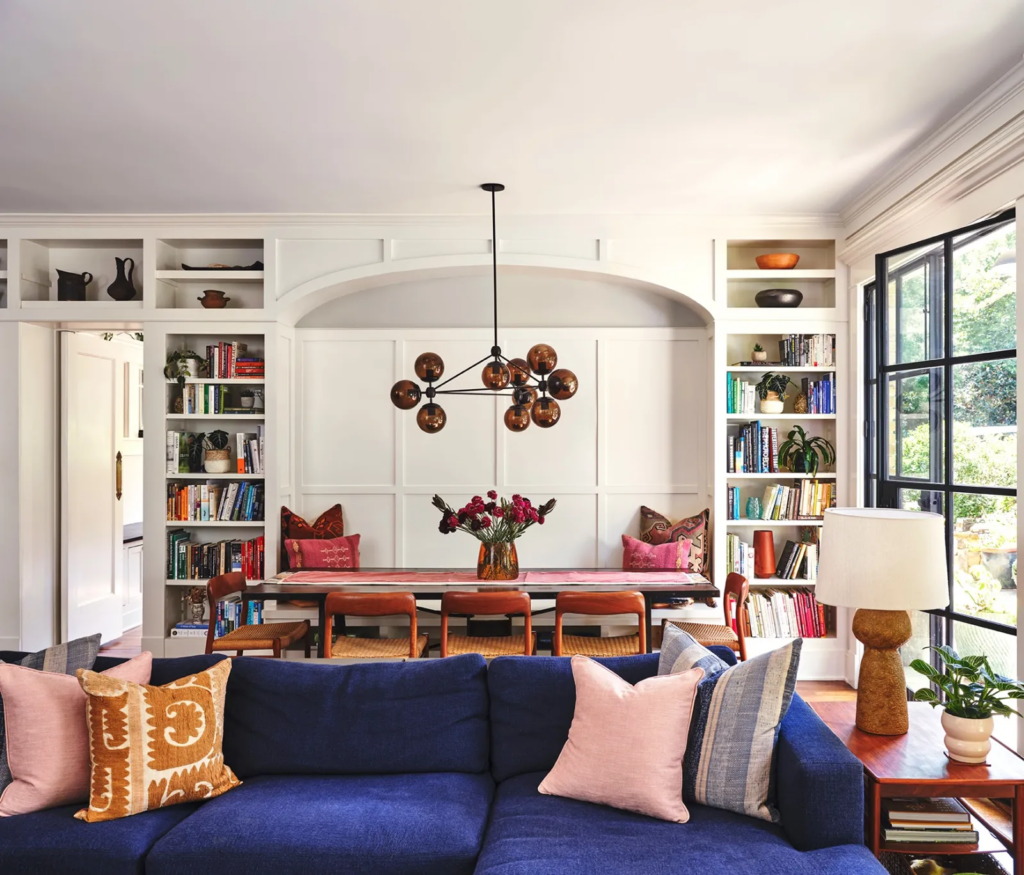
Books can make the best accessories! Notice the blush and pink repetition in the pillows and flowers. Photography by Mali Azima.
1-Is the item alive, or was it once alive? That sounds funny, doesn’t it? I think some of the best accessories are live plants and flowers. They bring nature inside and add color and texture in the best way possible-the way only nature can. It was not until the pandemic that I even considered keeping plants in my own home. I always thought I had a brown thumb. Well, I learned that, just like pets (but with much less effort), you can keep them alive by learning how to water, feed, and replant them. And I must say, if I can do this, I believe anyone can. We also use a particular flower color (typically all the same flower en masse) to highlight a color we want you to notice throughout the room or to feature a color that pops against another. I have included a houseplant book with easy plants that improve your air quality, since this is an added benefit of live plants.
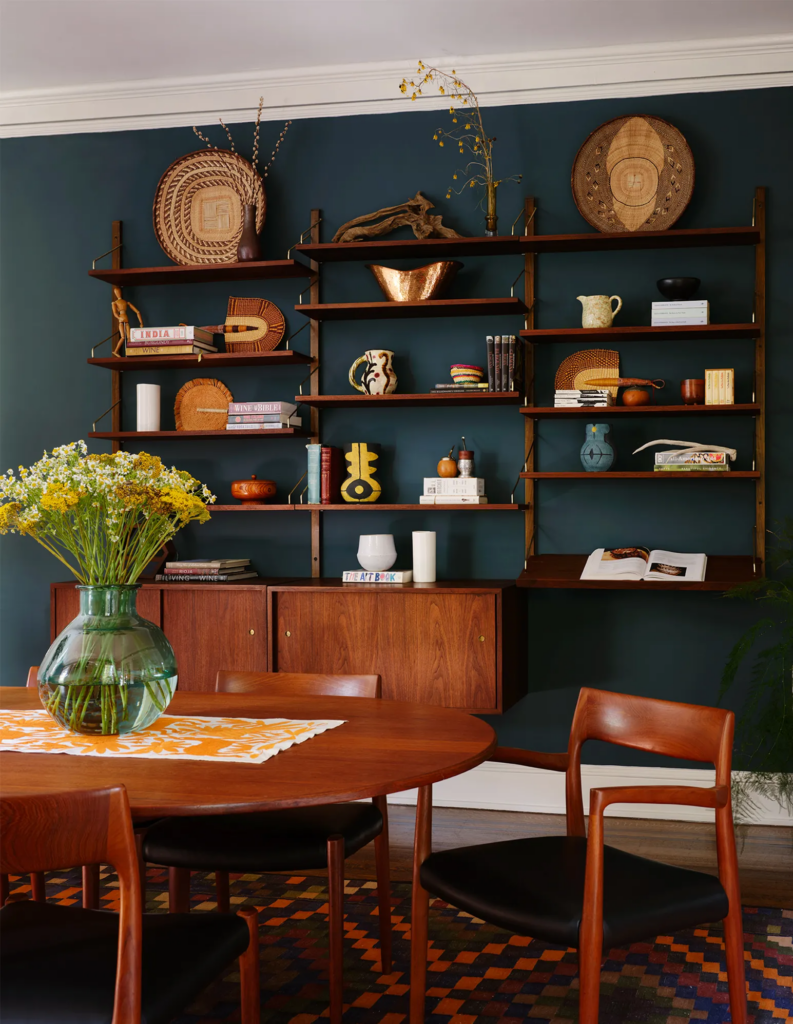
A vintage dining room features global accessories. Photography by Mali Azima.
2. Is the item part of a meaningful collection? My best friend collects feathers on walks and hikes. You will see her favorite feathers displayed in various pottery vases and glass containers. When asked about them, she lights up and tells you where she found each one and often the type of bird feather it is. She even has 2 bald eagle feathers! I have a client who collects rocks from her travels. She places these totems on shelves, windowsills, and the coffee table, then randomly picks them up to remind her of the place that she visited. Hint: these 2 people also have a collection of items found in nature, which relates to Rule #1. Personally, I collect books. I love books, and I think they say so much about the person who owns them. Often, I will learn a lot about a client through rearranging and styling their bookshelves. These touchpoint accessories can remind us of special memories and allow us to relive those times.
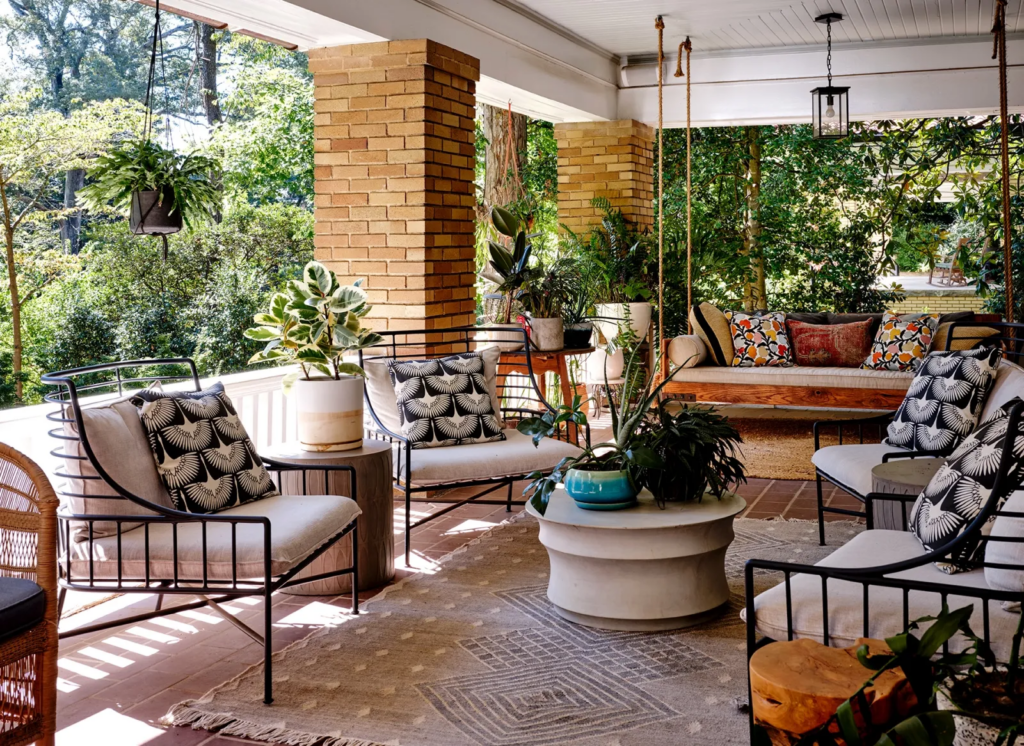
An abundance of plants makes this porch so cozy! Photography by Mali Azima.
3. Is the item visually beautiful to you? I’m passionate about porcelain pottery. I swoon over delicate vases and Japanese bowls. The simple beauty of a bowl full of lemons on the kitchen counter just works for me. The trick is editing these beauties to make a statement. If I had several bowls of different items on my counter, it would begin to feel like too much. This editing is where the art is. I think editing takes practice; you need to remove items to see how many you actually need (or don’t need).
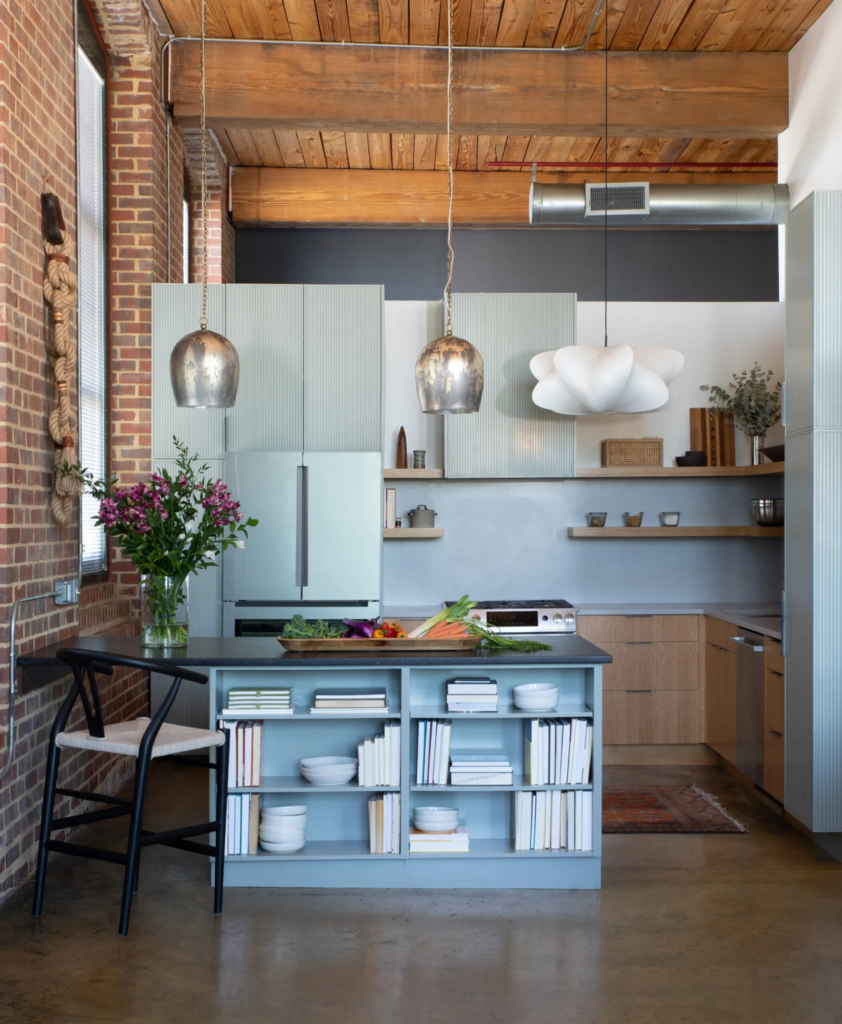
The repetition of white in the books and accessories makes this kitchen look clutter-free and ready for cooking. Photography by Christina Wedge.
4. Is the item useful? Accessories can be useful and beautiful. Beautiful handmade dishes on open shelves, a brass watering can, or a cloche of matches for your candles on the mantle—these are examples of useful items that you can display and use. I wrote another post about useful and beautiful items here. More examples include cozy pillows and throws, heavy vintage brass bookends, sharpened pencils in a cup, a tiny drink table next to your favorite chair, and all types of lamps.
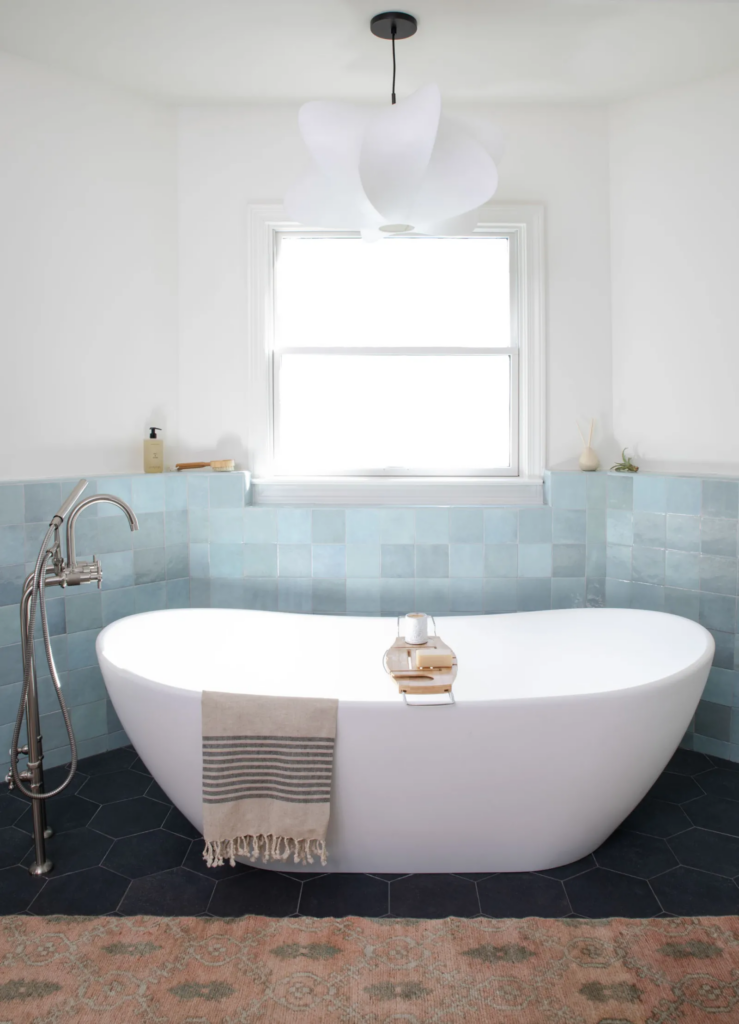
This bath is full of useful accessories-a Turkish towel, a bath tray, soap, a bath brush, and a candle- everything for a perfect soak in the tub! Photography by Christina Wedge.
5. Does the item invite you to touch or smell it? I don’t think anything in my home should be too precious or uncomfortable to touch. I want to hold items, and I want my friends to do the same. So polished wood, carved iron, and shiny objects invite us to pick them up and study them a little more. I also love organic scented candles. This accessory is tricky because so many scents are fake, but if you spend a bit more, you may even find your signature scent. Funny enough, my favorite candle is the smell of grass or tomatoes. Accessories that feel or smell good engage a sense beyond your eyes.
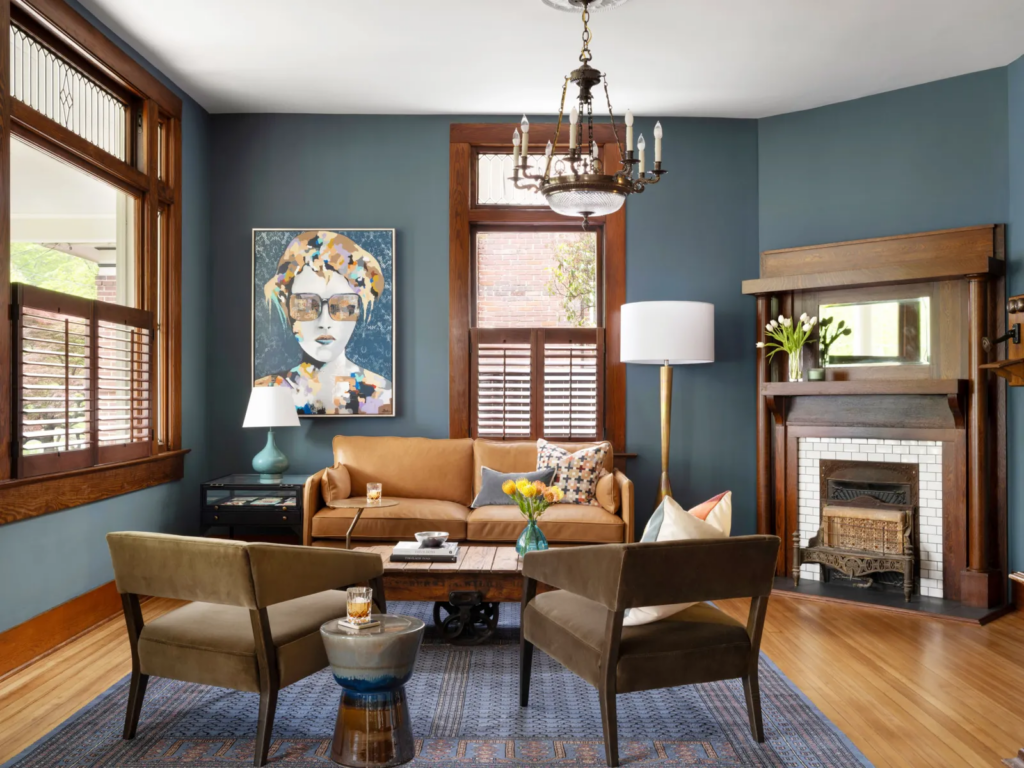
This art makes you smile! Photography by Rustic White Photography.
6. Does the item tell a story? Art by your favorite artist, pottery from a trip to Japan, a marbled paper book from Florence, a vintage lamp you found at a yard sale-these are storytelling items that may be beautiful, useful, funny, and have a great story behind them. You can tell this story to friends and family, or it may be one you love to remember. Accessorize your home with storytelling opportunities!
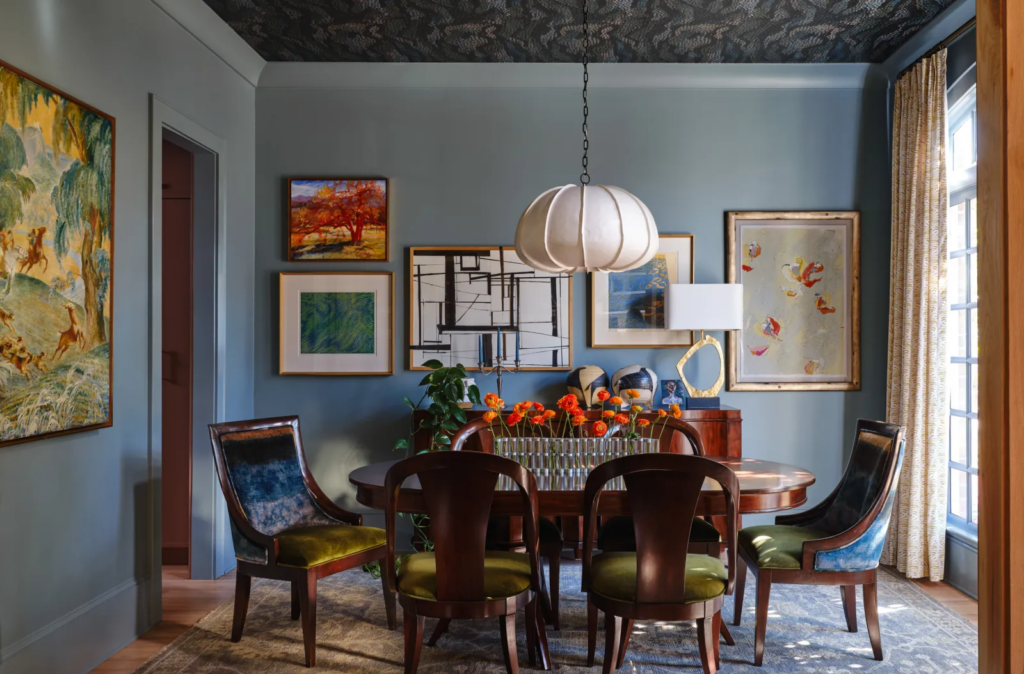
The artists in this dining room are all well known to the homeowner. She can tell a story about each piece. Photography by Mali Azima.
7. Does the item make you smile or laugh? You may remember that I have a vintage Japanese iron frog on my mantel that looks longingly at the art above it, a photograph of river rocks. This little vignette makes me smile. I have a client who has a framed picture of himself as a well-known villain from a James Bond movie in his den. This picture cracks me up! Our accessories don’t have to be serious; adding a little laughter and silliness is good for us!
Those are a couple of secrets to accessorizing your home. If you’re more curious about the subject, I enjoyed this article about using modern organic accessories on a mantel. If you would like to practice, consider this exercise: take a basket to a room like your living room or bedroom. Look at a focal point, like your mantel, coffee table, dresser, or nightstands. Now remove everything and put it in your basket. Look at the items and put back only those that fit the criteria above, with an editing eye. You may end up looking for a few new items, but take your time. Now that you know, you know. I look forward to seeing your curated spaces-stephanie@balancedesignatlanta.com.
Until next week,
Stephanie